
As high-aesthetic websites, videos, and social media posts rise in popularity, color plays an important role. Internet famous aesthetics like mysteriously cozy dark academia, nostalgic Heisei Retro, and pastel-painted fairy kei use their trademark color schemes to be recognizable. They leave an impression and make viewers feel at home based on their interests. While internet aesthetics are fun and trendy, not all colors and schemes are perceptible to vision-impaired internet users. More than 300 million people globally have some form of color blindness (Sajek 2025).
Types of Color Blindness
Protanopia + Protoanomoly
- Red perception is limited or non-exsistent
Tritanopia + Tritanomaly
- Blue perception is limited or non-exsistent
Deuteranopia + Deuteranomoly
- Green perception is limited or non-exsistent
Achromatopsia
- No color perception
For instance, if a web designer desires to use blue as the primary color on their site, it is ideal to select a triadic blue color scheme (Sajek 2025). Users with trianopia or tritanomaly can perceive their website. Triadic blue color schemes offer effective contrast for individuals with tritanopia.
Examples of a Triadic Blue color Scheme
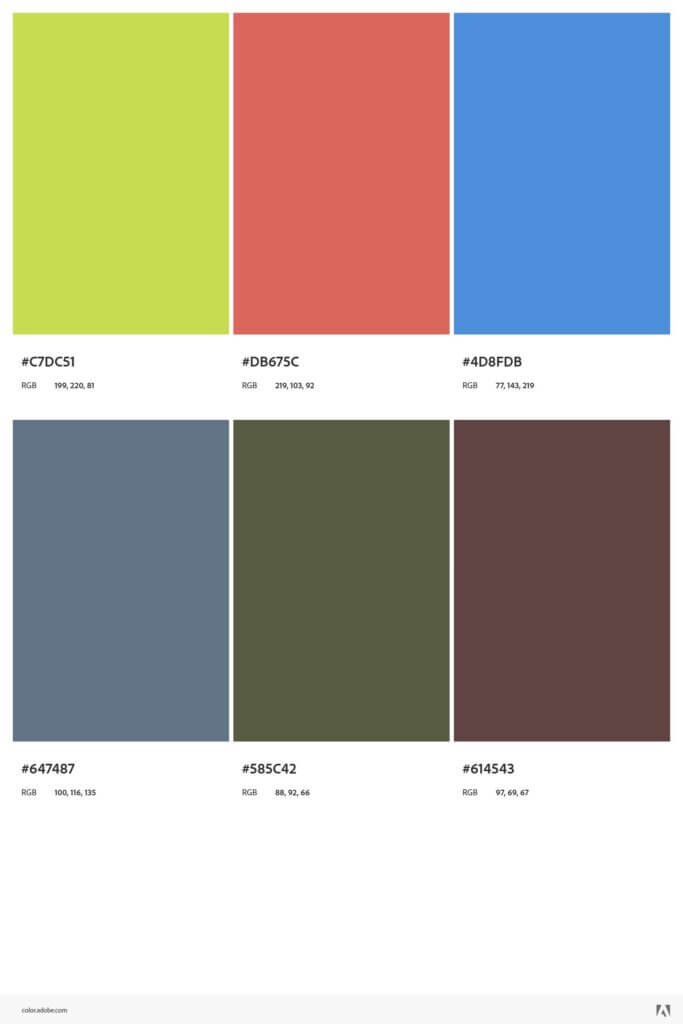
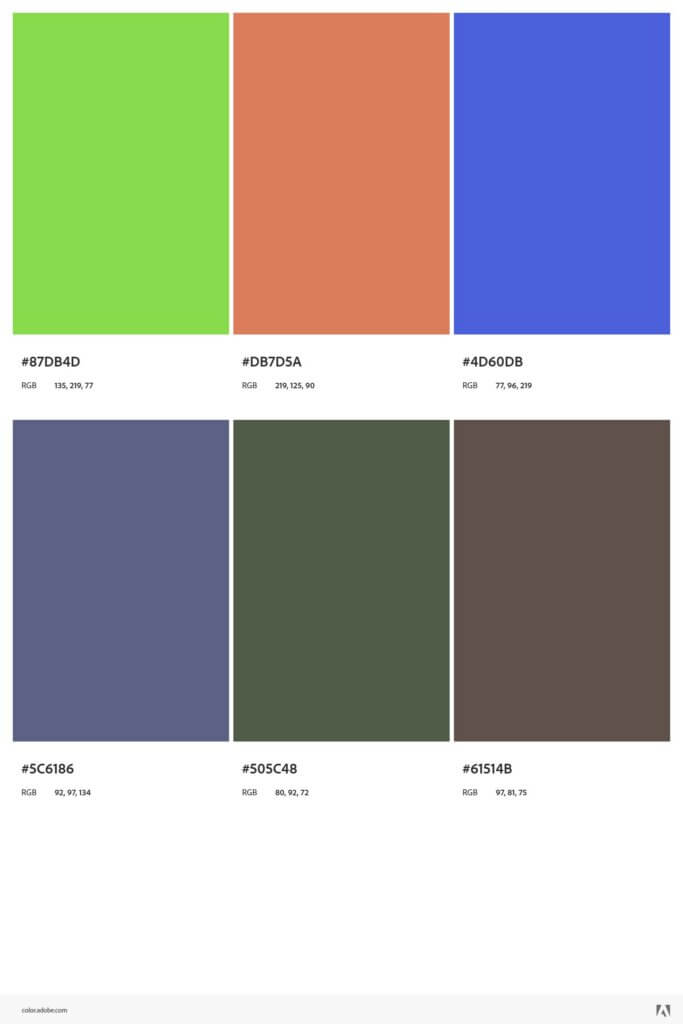
Keeping color blind users in mind releases online visuals from accessibility barriers. Casual internet users, workers, and learners alike need perceptible color and color schemes. Although, doing so can be inconvenient when you want to portray your personal style while remaining compliant.
WCAG Standards for Color
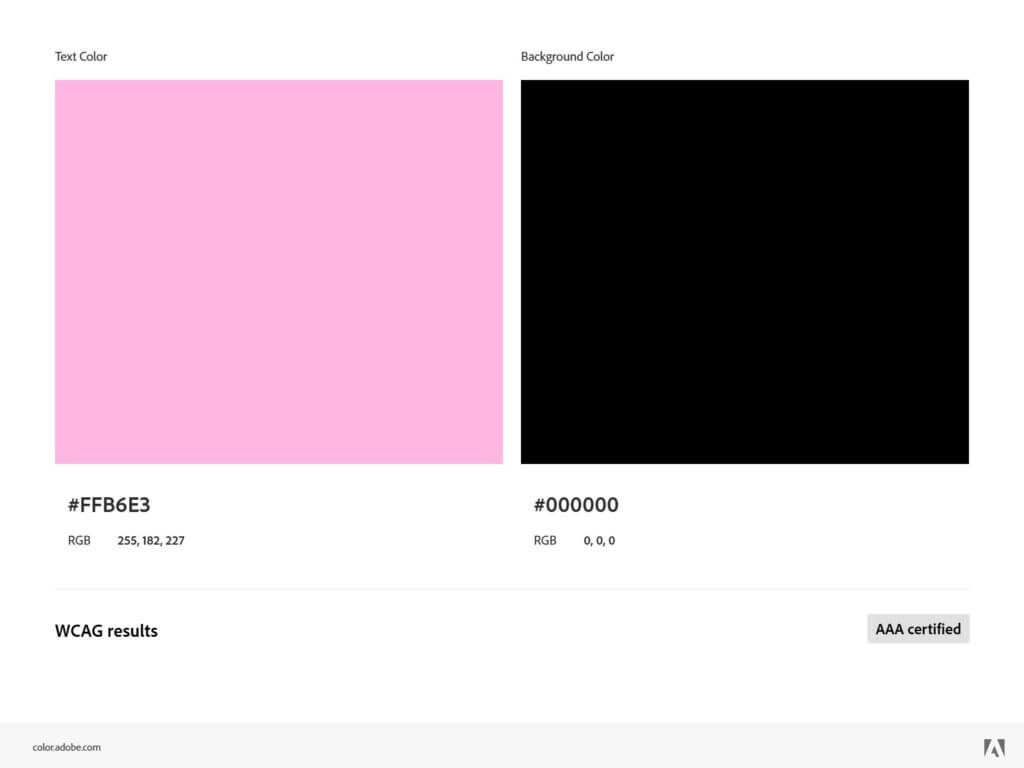
According to section 1.4.1, color isn’t the only way to distinguish information, indicating an action, distinguishing a visual element, or promoting a response. To enhance online usability, it is crucial to provide alternative text when conveying information with a color difference. Web designers and online educators must provide text cues for colored control labels. Non-color cues need to be visible when the user’s cursor is static on the webpage. Additionally, websites must maintain a color contrast ratio of 3:1 when incorporating large text or other information. For standard text, the color contrast must be at least 4.5:1 (World Wide Web Consortium 2024).
Here’s an example of an accessible color contrast ratio that adheres to WCAG standards.
How the YuJa EqualGround Accessibility Governance Platform Can Help
Complying with accessibility standards can be complicated, but so is using an inaccessible website. Ensuring that your websites are up to WCAG standards is simple with the YuJa EqualGround Accessibility Governance Platform. YuJa EqualGround modifies websites to align with accessibility standards and help you stay compliant. The platform allows you to adjust text and background colors while you are on your website.
With YuJa EqualGround’s Website Widget, your website’s users harness accessibility-based autonomy. Each individual user can change settings for colors and visuals based on their needs. The Website Widget contains an array of toggle options for all types of visual impairment. “Color blindness”, “Seizure & Epileptic”, and “Dyslexia” are just some of the accommodations visitors have at their fingertips. The platform also features a color adjustment bar so viewers can finetune background and text color to suit their specific needs. YuJa EqualGround enables returning users to save their customizations into individual profiles for consistent accessibility on your website.
Your online aesthetic deserves to be seen and perceived by all. Make it possible with the YuJa EqualGround Accessibility Governance Platform and take full control of your accessibility.
Citations:
Sajek, D., Korotenko, O., & Kyrychok, T. (2025). Research on the Accessibility of Different Colour Schemes for Web Resources for People with Colour Blindness. Journal of Imaging, 11(8), 268. https://doi.org/10.3390/jimaging11080268.
Colour Blind Awareness. (n.d.). Types of color Blindness. https://www.colorblindawareness.org/color-blindness/types-of-color-blindness/.
World Wide Web Consortium. (2024). Web Content Accessibility Guidelines (WCAG) 2.2. https://www.w3.org/TR/WCAG22/.