
The merging of technology and education has fundamentally changed the way learning happens in classrooms. With the creation of EdTech, traditional pen and paper learning has become less common, as a sea of new options developed, such as online lectures, discussion-based seminars, and digital lab environments, to name a few.
Amidst all these changes in the educational landscape, testing and quizzing remain a key component of many classrooms, but the way we can deliver quizzes has diversified. From HyFlex to cooperative learning environments, online quizzing has become a staple in many courses. But simply creating an online quiz isn’t enough; considerations have to be made to ensure that the quiz is testing students fairly and actively engaging their knowledge.
Try using some of the recommendations below when creating online tests to increase the efficacy of your assessments:
1. Provide Feedback
Traditional paper tests provide instructors with the opportunity to write comments wherever they deem necessary. With online testing platforms that provide automatic grading, it can be tempting to simply leave students with the answers to review, but it’s always best practice to provide specific and personal feedback where possible.
2. Review Quiz Analytics
Past quiz analytics can provide valuable insights into how students engage with online quizzes. By reviewing the results of past quizzes, you can get a sense of areas of success, trouble areas, and possible blocks to learning. Ask yourself: are there certain question types that are more successful than others? Could trouble areas improve if the question type and format were changed? Do supplementary materials like images and graphs need to be provided to effectively ask questions?

3. Lockdown Browsers
One of the main concerns with online testing is maintaining the integrity of test answers. A simple answer to this is utilising a lockdown browser, like the one provided by YuJa Verity’s Test Proctoring Platform. By preventing students from copying and pasting, navigating to other tabs, and blocking applications and extensions, instructors can rest assured that all answers come from students themselves.
4. Accessibility Accommodations
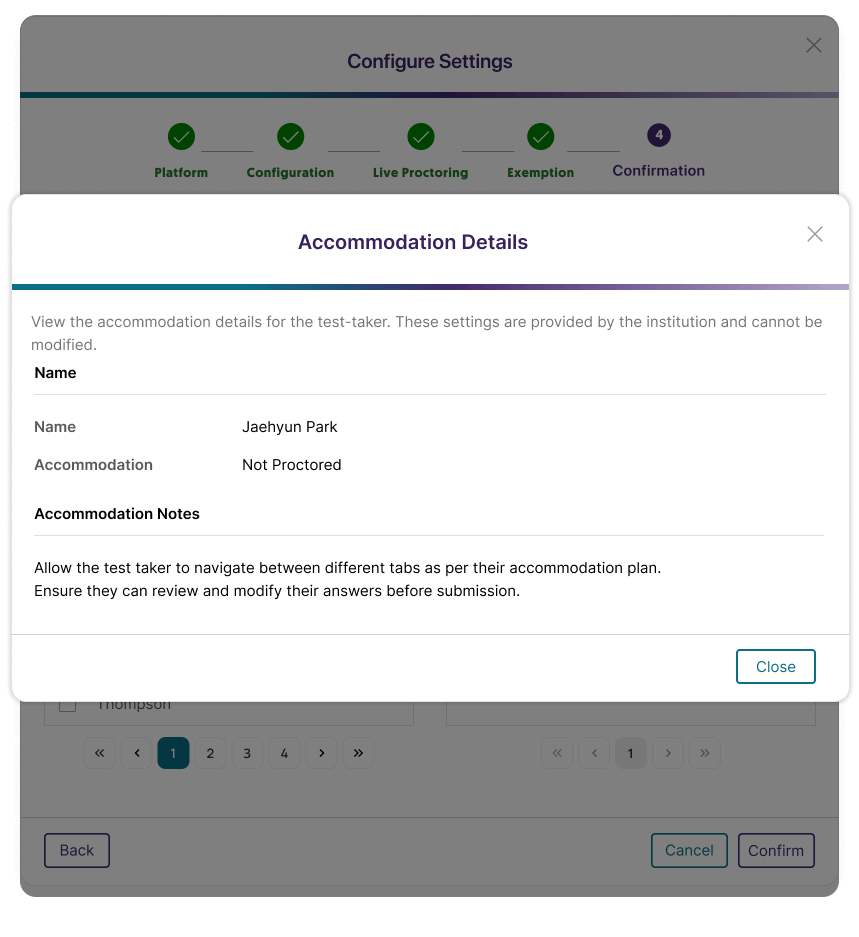
Providing all students with the same online testing environment isn’t inherently fair. For example, a student may require extra time for an assessment, or alternative formats of allowed material to help them answer open-book assessments. Features like accommodation profiles within YuJa Verity can help ensure students’ accessibility needs are met.
5. Dialogue in Feedback
Whether it’s within your testing platform, LMS, or simply an email, providing students with the option to respond to the online feedback you provide can significantly increase student metacognition. With open dialogue about test feedback, students are more likely to learn from their mistakes and review previous assessments to help them improve on future tasks.

6. Diverse Question Types
Instructors can play to different students’ strengths by offering a range of question types. Long answers may be particularly successful with those who have strong linguistic intelligence, ordering questions may be suited for those with advanced logical-mathematical intelligence, and reflective questions may be best completed by those with high intra-personal intelligence. By trying to create a diverse range of questions, not only do students get the chance to show their knowledge in different ways, but it also helps students develop their weaker skills and thinking patterns.
As online quizzing becomes increasingly common, the possibilities for carrying out online assessments only continue to expand, and how we’re able to effectively teach grows. By using these suggestions when creating online quizzes, instructors can help ensure effective quizzing takes place.