Product Updates
Get the latest platform updates, features, and announcements—all in one place.
Boost Video Accessibility with the GenAI Video PowerPack!
Try Now
Supercharge Your Compliance Efforts with AutoPilot Remediation Max!
Try Now
Strengthen Your PDF Accessibility Efforts with Structural Remediation Max!
Try Now
Don't Miss Any of Our Upcoming Webinars—Save Your Spot!
Register
The YuJa Community is here! Connect, get updates, and access exclusive content.
Join Now

Get the latest platform updates, features, and announcements—all in one place.
“Some students may hesitate to ask questions in front of their peers. The response system can provide an anonymous platform for students to submit questions or concerns, which the instructor can address in real time or during dedicated Q&A sessions.”2. Attendance and Participation Tracking: Instructors can automate attendance, assign attendance points, and have results sent directly to their learning management system (LMS) gradebook to remove the manual aspect of this potentially time-consuming task. They can also see which students are actively engaging with materials and who may need extra help. 3. Concept Mapping: Instead of using the response system for traditional quizzing questions, instructors can use it for concept mapping exercises to show the relationship between concepts. This helps instructors assess understanding and organization, promotes active learning, and can help identify misconceptions and develop critical thinking skills. 4. Real-Time Quizzes and Polls: Instructors can add interactive quizzes during lectures and ask multiple-choice, true/false, or short-answer questions related to the course material. Live polls can provide instant feedback on teaching methods, content, or class dynamics. 5. Peer Instruction: A student response system can facilitate peer instruction, where students answer a conceptual question individually, discuss their responses with peers, and then answer the question again. This approach encourages active learning and collaboration and helps identify and address any learning gaps.
 6. Flipped Classroom Activities: In a flipped classroom structure, instructors assign videos or readings to review before class. During class, instructors can use an SRS to assess students’ understanding of the material. This allows you to focus on deeper discussions and applications during designated class time.
7. Anonymous Questioning: Some students may hesitate to ask questions in front of their peers. The response system can provide an anonymous platform for students to submit questions or concerns, which the instructor can address in real time or during dedicated Q&A sessions.
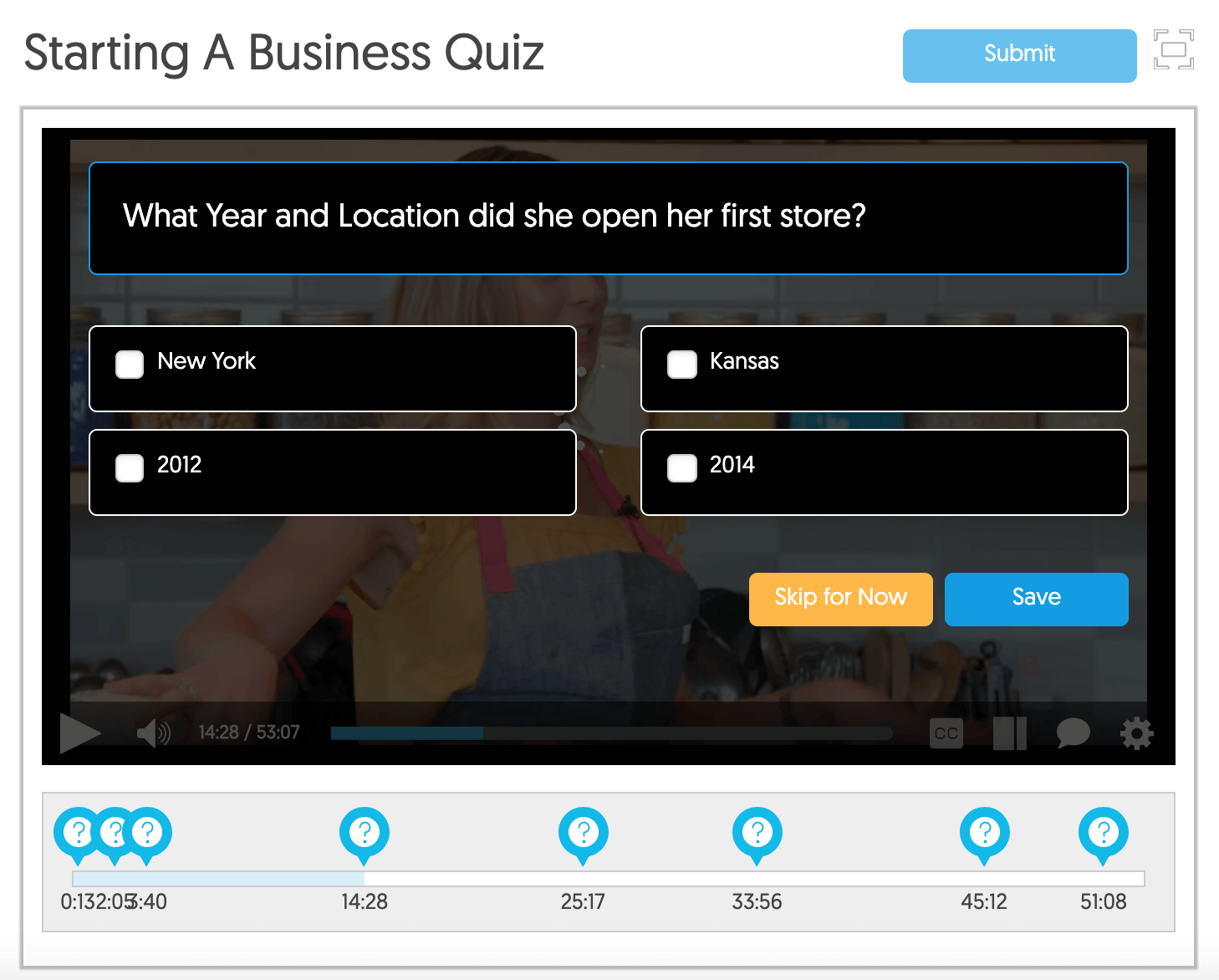
8. Multimedia Integration: Response systems can be integrated with multimedia presentations, allowing instructors to embed questions or polls within their slides or videos. This approach keeps students engaged and reinforces critical points throughout the multimedia content.
6. Flipped Classroom Activities: In a flipped classroom structure, instructors assign videos or readings to review before class. During class, instructors can use an SRS to assess students’ understanding of the material. This allows you to focus on deeper discussions and applications during designated class time.
7. Anonymous Questioning: Some students may hesitate to ask questions in front of their peers. The response system can provide an anonymous platform for students to submit questions or concerns, which the instructor can address in real time or during dedicated Q&A sessions.
8. Multimedia Integration: Response systems can be integrated with multimedia presentations, allowing instructors to embed questions or polls within their slides or videos. This approach keeps students engaged and reinforces critical points throughout the multimedia content.
“Traditionally, students have found camaraderie and collaborative environments with classmates in common spaces like the dining hall, library, or the quad.”Data and analytics also can help faculty and staff identify students who may be at risk of falling behind or struggling academically, allowing for early intervention and targeted support services. This can help prevent students from becoming disengaged or dropping out. Data can also be leveraged to recognize consistent or trending pain points for courses or certain aspects of a course, which can allow professors and instructors to adjust their approach, ancillary materials, and support provided. 3. A User-Friendly LMS is Critical Regardless of whether students are taking an in-person course or a course that is fully online, a high-quality learning management system (LMS) is a must for developing and distributing content. More importantly, the technology that is integrated into the LMS matters. It is crucial for students to be able to access course content online seamlessly. This enables students to have access to any course materials needed in a central location and access to those items no matter the device used. A strong LMS also has the ability to create an environment where communication and collaboration can take place despite students being in different locations. It also gives instructors the opportunity to integrate videos, in-video quizzes, and gamification into course content to ensure that the learning environment is just as interactive online as it is in person. 4. Incorporate Virtual Spaces for Collaboration and Connection Traditionally, students have found camaraderie and collaborative environments with classmates in common spaces like the dining hall, library, or the quad. For online students this space no longer exists in the way it has traditionally. Instructors and higher-ed leaders are now looking to recreate these spaces in a virtual setting.
 This could be done through virtual programming and could even include student clubs and activities to incorporate into their online experience. Institutions also have the opportunity to create collaborative online spaces for group projects and study sessions. This promotes social interaction, community building, peer learning, and has other positive benefits in creating a sense of belonging for students who aren’t on campus each day.
“It is not surprising that 46 percent of students prefer completing coursework on their phone.”It is not surprising that 46 percent of students prefer completing coursework on their phone, and 8 out of 10 students do. This access has driven the uptick in mobile-first learning, which allows teachers and students to use devices such as laptops, iPads, tablets, and smartphones to receive course content without the need for a traditional classroom. The mobile-first learning environment can be supported with the use of technology such as the YuJa Enterprise Video Platform, YuJa Engage Student Response System, YuJa’s Mobile Apps for tablets and phones. The Enterprise Video Platform allows institutions to have a video content management system that allows for the storage, management, distribution, and streaming of media content, which can be accessible remotely for educational settings taking place solely online. The Engage Student Response System enables instructors to make the online learning experience more interactive by allowing students to collaborate and interact with the course content through Polls and Surveys, and providing immediate feedback. YuJa also offers a mobile app for those who strictly uses a phone or tablet for learning, which offers HTML5 players and native apps for users to watch, record, upload and download content. 2. Gamified Learning Gamified learning, or gamification, is another popular trend on the uptick in the world of higher education. This approach integrates game elements into educational concepts, which increases the engagement and interaction from learners. This can be done through Polls and Surveys, which results in numerous benefits, including immediate feedback, an increase in critical thinking, and collaboration. The YuJa Engage Student Response system is one way you can take part in this trend as it changes passive learning settings into an interactive experience by allowing instructors to gamify course content. This includes allowing instructors to create Polls with various question types such as short-answer, fill-in-the-blank, matching, true or false, and more. This platform also allows students to see clickable images for interactivity with visual materials. 3. Collaborative Learning
 Collaboration is paramount in higher education today. Collaborative learning is similar to any collaborative session in that it has small groups of students work together to problem solve, innovate or complete a task. This in and of itself is not a new concept; however, in today’s digital age technology has given institutions the ability to do this online for students. YuJa offers LMS, third-party hardware and conferencing connectors for the video platform that allow instructors to streamline workflows and make course content more accessible to students.
Offering a collaborative learning environment in remote settings also gives students the ability to collaborate from multiple locations outside of the classroom and traditional hours.
4. Social Learning
Social learning is an environment in which students learn by observing or interacting with their peers. This is not a new concept in higher education, but how it applies to the use of technology in education is newer.
Educators are now tasked with creating an atmosphere that fosters connection, collaboration and engagement beyond the traditional walls of a classroom. This change in tactics can be seen through the increased use of flipped classrooms where learning takes on a more interactive role during physical classroom hours and course content is consumed prior to class.
This approach gives students more flexibility in consuming course content, empowers them to take ownership of their learning, and deepens their relationships in the classroom because it allows them to work more closely together. YuJa can help facilitate flipped classrooms, allowing both students and instructors to focus on the course content rather than technology.
5. Microlearning
While historically used in corporate training, microlearning has made its entrance into the world of higher education. Microlearning is typically used when lessons or concepts are taught in short, concise pieces of content.
By keeping content short, concise and chunked into smaller concepts allows for better retention. Microlearning is ideal because it offers more flexibility and control for students of what and when they learn — which can be especially beneficial for students who are attending classes online, those who are working, or who have other responsibilities that need tended to during regular school hours.
YuJa’s ed-tech tools can assist in not only the creation of micro lessons but also increase engagement video quizzes, analytics, and more.
Looking Ahead
Trends this year all support collaborative and interactive learning environments, regardless of location or device used. While the wheel of effective teaching in 2024 may be reinvented from years ago, the goal of education has remained the same — to give students the opportunity and support needed for educational success.
Collaboration is paramount in higher education today. Collaborative learning is similar to any collaborative session in that it has small groups of students work together to problem solve, innovate or complete a task. This in and of itself is not a new concept; however, in today’s digital age technology has given institutions the ability to do this online for students. YuJa offers LMS, third-party hardware and conferencing connectors for the video platform that allow instructors to streamline workflows and make course content more accessible to students.
Offering a collaborative learning environment in remote settings also gives students the ability to collaborate from multiple locations outside of the classroom and traditional hours.
4. Social Learning
Social learning is an environment in which students learn by observing or interacting with their peers. This is not a new concept in higher education, but how it applies to the use of technology in education is newer.
Educators are now tasked with creating an atmosphere that fosters connection, collaboration and engagement beyond the traditional walls of a classroom. This change in tactics can be seen through the increased use of flipped classrooms where learning takes on a more interactive role during physical classroom hours and course content is consumed prior to class.
This approach gives students more flexibility in consuming course content, empowers them to take ownership of their learning, and deepens their relationships in the classroom because it allows them to work more closely together. YuJa can help facilitate flipped classrooms, allowing both students and instructors to focus on the course content rather than technology.
5. Microlearning
While historically used in corporate training, microlearning has made its entrance into the world of higher education. Microlearning is typically used when lessons or concepts are taught in short, concise pieces of content.
By keeping content short, concise and chunked into smaller concepts allows for better retention. Microlearning is ideal because it offers more flexibility and control for students of what and when they learn — which can be especially beneficial for students who are attending classes online, those who are working, or who have other responsibilities that need tended to during regular school hours.
YuJa’s ed-tech tools can assist in not only the creation of micro lessons but also increase engagement video quizzes, analytics, and more.
Looking Ahead
Trends this year all support collaborative and interactive learning environments, regardless of location or device used. While the wheel of effective teaching in 2024 may be reinvented from years ago, the goal of education has remained the same — to give students the opportunity and support needed for educational success.
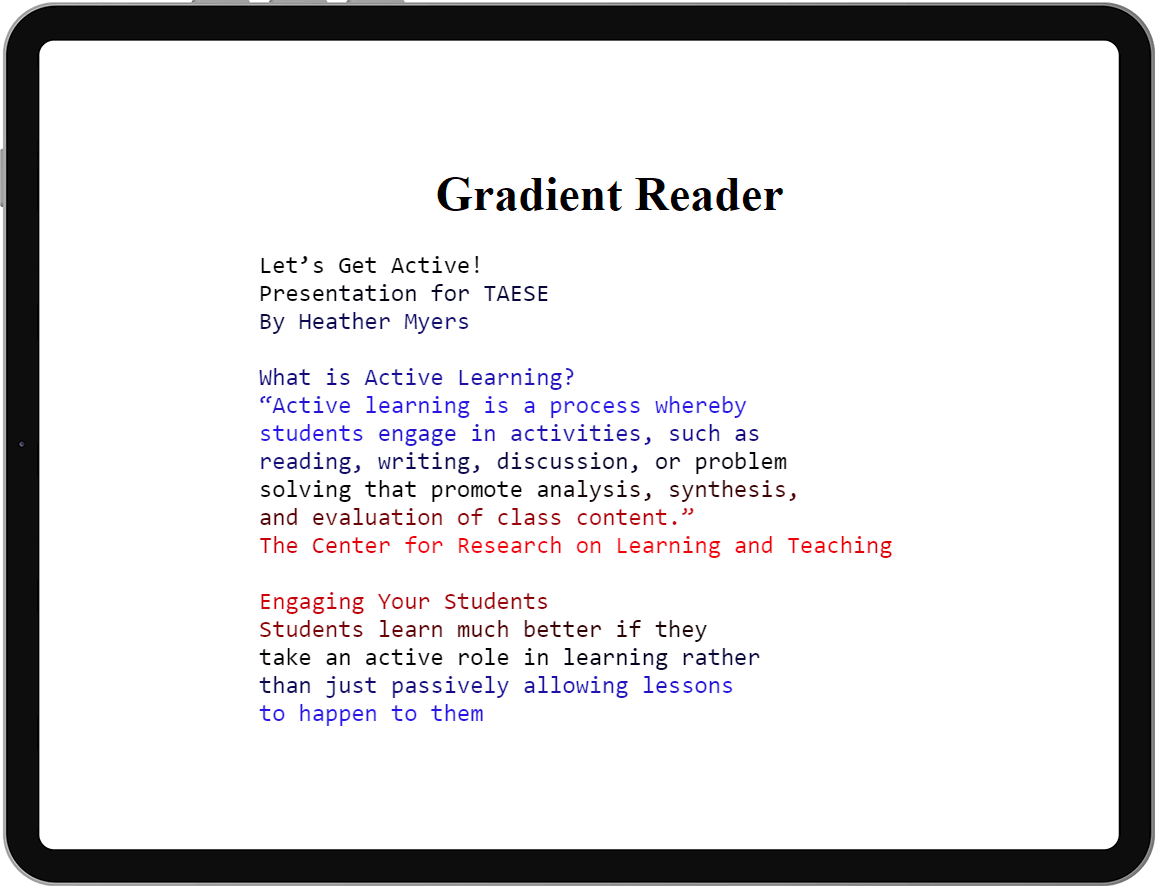 4. How Gradient Text Makes Content More Accessible to All: Gradient readers can help people process information. Studies have shown that while using this type of technology, people read further down a page and are more likely to read to the end than when text was presented in a traditional format. In this blog, we share what gradient text is and how it can help people learn.
Read the blog
5. Blended Learning vs Flipped Classroom: Each modality integrates both online and classroom learning, but they each have advantages in higher education. In this blog, we define each and share potential use cases for each.
Read the blog
6. What is Scalable Video Transcoding: Transcoding is a process that happens after encoding, which dictates how raw data is compressed and formatted into a video file. This blog explains the process, advantages and benefits of scalable transcoding.
Read the blog
7. Tips for Maximizing YuJa Video Quality Within Lecture Capture: Video technology is a valuable tool in improving student engagement and facilitating remote learning in higher education. In this blog, we outline ways to use your video platform to enhance student engagement.
Read the blog
4. How Gradient Text Makes Content More Accessible to All: Gradient readers can help people process information. Studies have shown that while using this type of technology, people read further down a page and are more likely to read to the end than when text was presented in a traditional format. In this blog, we share what gradient text is and how it can help people learn.
Read the blog
5. Blended Learning vs Flipped Classroom: Each modality integrates both online and classroom learning, but they each have advantages in higher education. In this blog, we define each and share potential use cases for each.
Read the blog
6. What is Scalable Video Transcoding: Transcoding is a process that happens after encoding, which dictates how raw data is compressed and formatted into a video file. This blog explains the process, advantages and benefits of scalable transcoding.
Read the blog
7. Tips for Maximizing YuJa Video Quality Within Lecture Capture: Video technology is a valuable tool in improving student engagement and facilitating remote learning in higher education. In this blog, we outline ways to use your video platform to enhance student engagement.
Read the blog
 8. Flipped Classroom 101: A History, Benefits and Tools for the Learning Model: Flipped classrooms offer a host of benefits for students, teachers and parents alike. In this blog, we cover the history of the learning model, benefits of its use, and tools to facilitate flipping your classroom.
Read the blog
9. How to Deliver and Record an Effective PowerPoint Presentation: For most organizations, PowerPoint remains the default tool used to deliver presentations. This blog (written in 2020) gives advice for delivering an effective presentation. If it were written today, we’d include a point on gamifying your presentation with interactive polls and surveys.
Read the blog
10. Live Streaming in Higher Education: Colleges, universities and other enterprises have been able to implement live streaming as one of a variety of tools to aid students in their education. In this blog, we cover its history, benefits, and examples of how some institutions use it to help deliver content to students.
Read the blog
8. Flipped Classroom 101: A History, Benefits and Tools for the Learning Model: Flipped classrooms offer a host of benefits for students, teachers and parents alike. In this blog, we cover the history of the learning model, benefits of its use, and tools to facilitate flipping your classroom.
Read the blog
9. How to Deliver and Record an Effective PowerPoint Presentation: For most organizations, PowerPoint remains the default tool used to deliver presentations. This blog (written in 2020) gives advice for delivering an effective presentation. If it were written today, we’d include a point on gamifying your presentation with interactive polls and surveys.
Read the blog
10. Live Streaming in Higher Education: Colleges, universities and other enterprises have been able to implement live streaming as one of a variety of tools to aid students in their education. In this blog, we cover its history, benefits, and examples of how some institutions use it to help deliver content to students.
Read the blog
“Students become active participants in their learning journey, fostering a deeper understanding of the material.”
Join the 1,000+ Organizations Deploying High-Impact Solutions